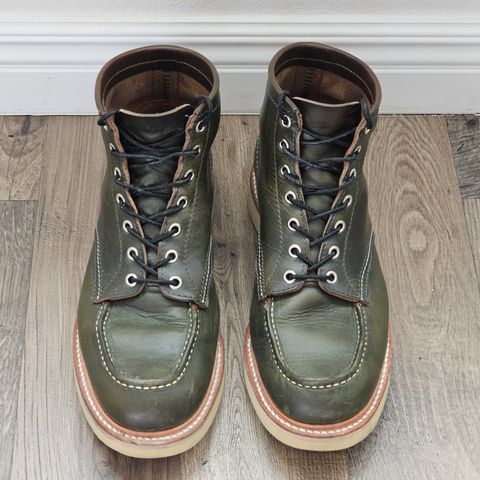
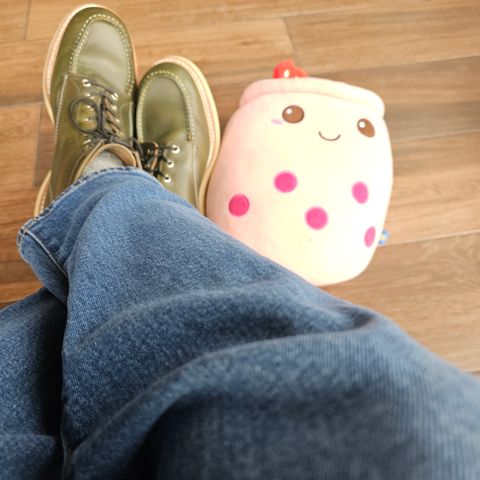
About
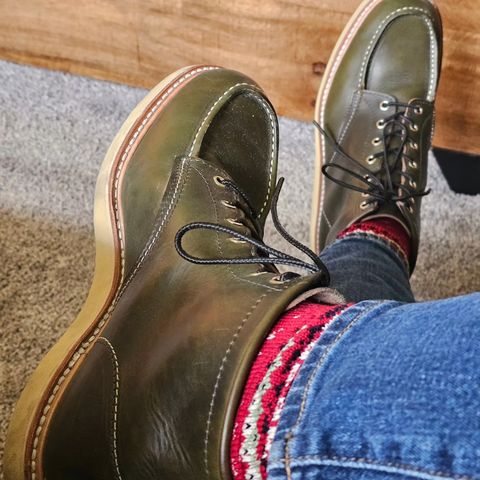
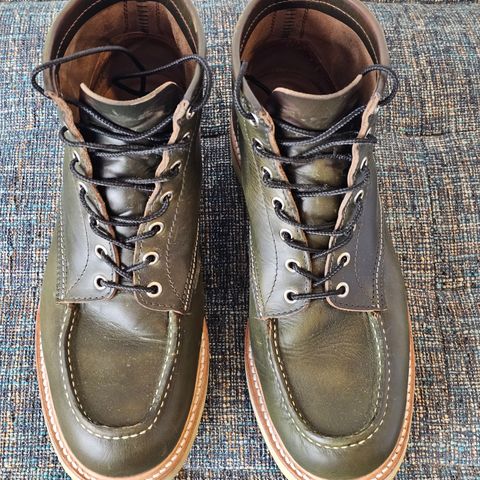
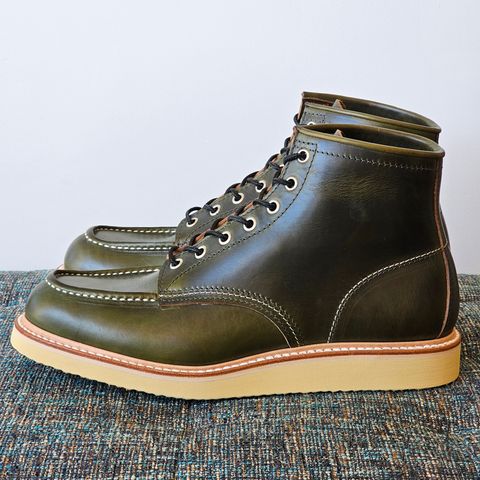
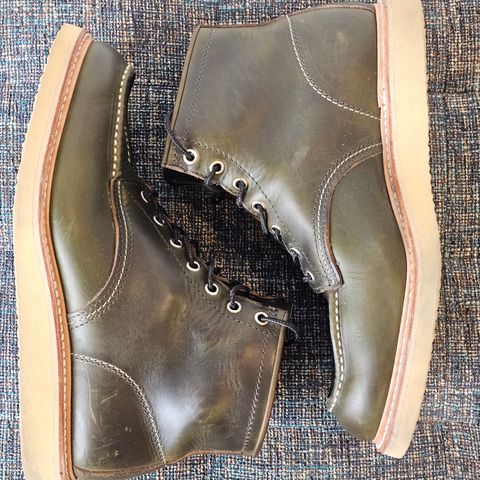
The Japanese Moc Toe is a boot model manufactured by Jamvaida, a Japanese footwear brand launched in 2021. The boot features traditional moccasin toe construction combined with premium American materials and Japanese craftsmanship, representing a collaboration between heritage boot styling and modern manufacturing techniques.
About
The Japanese Moc Toe is a boot model manufactured by Jamvaida, a Japanese footwear brand launched in 2021. The boot features traditional moccasin toe construction combined with premium American materials and Japanese craftsmanship, representing a collaboration between heritage boot styling and modern manufacturing techniques.
Jamvaida operates as a sister company to Miyagi Kogyo, a Japanese boot factory that has been producing footwear since 1941 using old-world techniques and wooden lasts. The Japanese Moc Toe exemplifies the brand's approach of combining Horween leather from the United States with resoleable Goodyear welt construction executed by Japanese artisans.
Manufacturing and construction
The Japanese Moc Toe employs Goodyear leather welt construction, a method that allows the boots to be resoled over time. The construction process involves 200 steps with significant hand work by artisans at the Miyagi Kogyo facility. Each boot is built around wooden lasts, a traditional practice the factory has maintained since its founding in 1941.
The boots feature nickel hardware and 360-degree storm welts, which provide additional water resistance by creating a raised barrier between the upper and outsole. This construction detail helps protect the interior of the boot from moisture entering through the welt seam. The manufacturing process draws on techniques learned through Miyagi Kogyo's technical partnership with A. Baker & Sons, established in 1964, and ongoing collaboration with Barker Shoes dating to 1969.
Materials
Miyagi Kogyo sources premium materials for the Japanese Moc Toe, including Horween upper hides from the United States. The company uses leather welts rather than synthetic alternatives, cork filler for the midsole, and hardware manufactured in Japan. For the outsole, the Olive Chromexcel variant features a Dr. Sole Cushion Wanderer wedge, while other models may use Vibram outsoles depending on the specific makeup.
The factory's material philosophy reflects standards learned from Barker Shoes: "No material superior to leather, no machine superior to skilled skill." This approach prioritizes natural materials and hand craftsmanship over cost-cutting alternatives. All components are selected based on durability and compatibility with traditional construction methods that support long-term wearability and repairability.
Historical background
Jamvaida launched in 2021 as a sub-brand under the Miyagi Kogyo umbrella. The parent company was founded in Sendai City in 1941 at the request of the military, eventually employing nearly 2,000 workers at its peak. During World War II, the factory was destroyed, but Miyagi Kogyo rebuilt in Nanyo City, Yamagata Prefecture in the post-war period.
In 1964, Miyagi Kogyo entered into a technical partnership with A. Baker & Sons from the United Kingdom, establishing itself as a leading shoemaker in Japan by adopting authentic European techniques. The company began working with Barker Shoes in 1969 and secured rights to manufacture and sell shoes under the English brand's name in Japan. These partnerships introduced Goodyear welt manufacturing methods that have been passed down through generations of craftsmen at the factory.
Miyagi Kogyo shifted from mass-producing OEM footwear for major shoe makers to a high-mix, small-lot production system in the 2000s, introducing made-to-order custom services in 2004. Within the factory's atelier, young artisans—some with European apprenticeships—have unrestricted access to workshop machinery and materials outside regular working hours, fostering creativity and independence. This environment has led to multiple sub-brands emerging under the Miyagi Kogyo umbrella, with Jamvaida representing one of the more recent additions to the family of brands.
References
"New brand alert! Introducing Miyagi Kogyo". Okayama Denim. Retrieved December 3, 2025.
"Miyagi Kogyo Co., Ltd". Japan Leather Guide. Retrieved December 3, 2025.
"Review - Miyagi Kogyo Semi Brogue Derby Old Snuff". Shoegazing. June 7, 2019.