Ken Diamond
MakerAbout
Ken Diamond is a Canadian leather craftsman and boot maker specializing in handmade footwear and leather goods. Founded in 2003 in Vancouver, British Columbia, the company gained recognition for its signature hand-stitched moccasins before transitioning to stitchdown construction boots. Diamond's work exemplifies the resurgence of artisanal leather craftsmanship in Canada, emphasizing traditional techniques and quality materials over mass production.
About
Ken Diamond is a Canadian leather craftsman and boot maker specializing in handmade footwear and leather goods. Founded in 2003 in Vancouver, British Columbia, the company gained recognition for its signature hand-stitched moccasins before transitioning to stitchdown construction boots. Diamond's work exemplifies the resurgence of artisanal leather craftsmanship in Canada, emphasizing traditional techniques and quality materials over mass production.
The company evolved from a successful moccasin business that achieved international recognition, with celebrities wearing Diamond's shoes and securing placement at Isetan, the Tokyo department store known for its curated selection of high-quality footwear. At the brand's peak, Diamond relocated from Vancouver to Canada's remote Sunshine Coast, shifting focus from commercial moccasin production to individual handmade boots using stitchdown construction methods.
History and background
Ken Diamond, age 40, transitioned to leather craftsmanship from previous work in film-set decorating and furniture upholstery. He began working with leather in the late 1990s and founded his eponymous company in 2004, though he had established operations by 2003. Diamond is entirely self-taught in leather crafting techniques, developing his skills through observation and practice rather than formal training.
The company initially operated out of an East Vancouver studio with Diamond's partner Jolene. During this period, Diamond focused on creating hand-cut and hand-stitched wallets, bags, and belts, with products stocked at retailers including Mr. Lee's General Store & Haberdashery in Vancouver and Still Life Boutique in Victoria.
Moccasin production
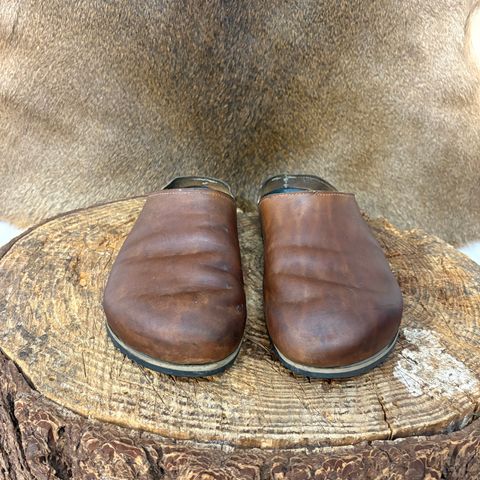
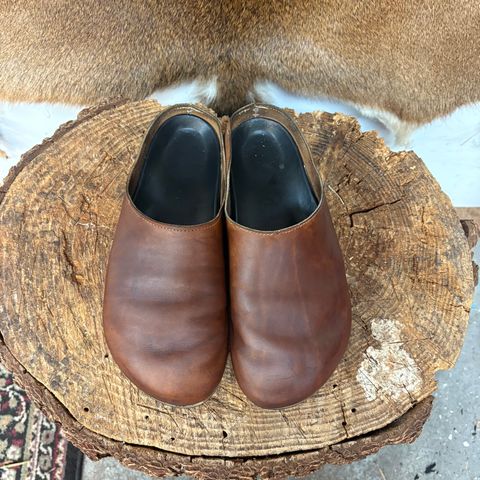
Ken Diamond achieved significant success with signature hand-stitched moccasins during the 2010s. The moccasins featured deer or elk leather uppers with hand-braided kangaroo laces, constructed entirely by hand using traditional techniques. The company offered moccasins in three colors: mustard, licorice, and marshmallow, available in two main styles called Koko and Thomme.
The moccasins gained international recognition, with celebrities wearing Diamond's shoes and the brand securing placement at Isetan department store in Tokyo, known for its curated selection of high-quality footwear. Notable collaborations included working with wings+horns for their 10th anniversary project, creating custom interpretations of Diamond's signature moccasin styles using black Horween Chromexcel leather with cushioned veggie tan insoles and durable veggie tan midsoles.
Current boot production
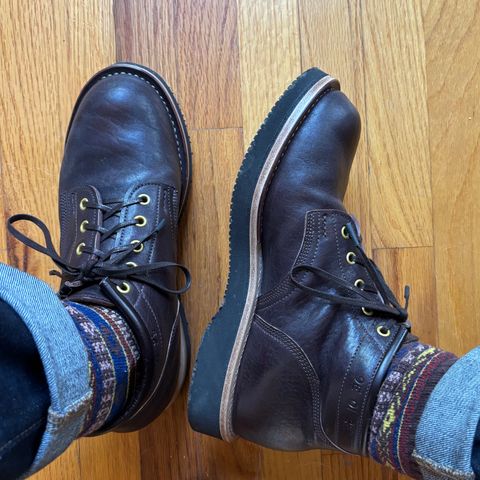
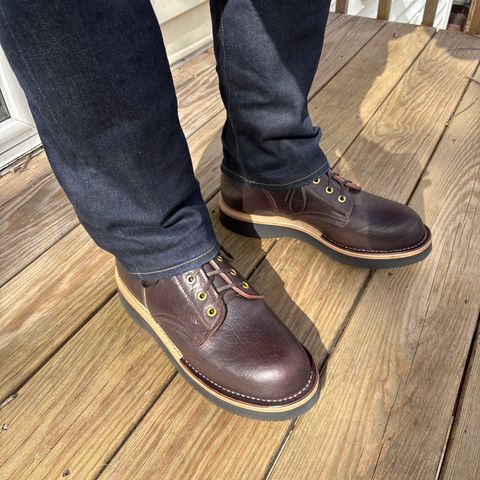
Following the success of his moccasin business, Diamond relocated to Canada's remote Sunshine Coast, located 150 kilometers and two ferries from Vancouver. This transition marked a shift from commercial moccasin production to individual handmade boot construction. Diamond creates boots using stitchdown construction, a method he describes as "incredibly different" from his previous moccasin work.
The current production model emphasizes creating boots one pair at a time, representing a move toward even more artisanal and personalized craftsmanship. This approach aligns with Diamond's focus on quality over quantity and his pursuit of perfection in footwear construction.
Materials and craftsmanship
Ken Diamond's approach to materials emphasizes high-quality leather and traditional construction methods. For collaborative projects, he has used premium materials including black Horween Chromexcel leather, cushioned vegetable-tanned insoles, durable vegetable-tanned midsoles, and Vibram rubber outsoles for boots requiring added durability.
The company's philosophy centers on preserving leather work traditions while incorporating contemporary techniques to maintain simplicity and functionality. Diamond's designs emphasize minimalism and classic styling, focusing on timeless durability rather than fashion trends. His craftsmanship approach prioritizes perfecting details and finding balance between creating limited edition pieces and maintaining sustainable production practices.
Philosophy and inspiration
Ken Diamond draws significant inspiration from Japanese craftsmanship traditions and the "resurgent Japanese interest in craft." He admires Japanese craftspeople's attention to detail and their cultural appreciation for craft, noting how young Japanese artisans travel to workshops across Europe to learn traditional leather working techniques.
Diamond's design philosophy aligns with wings+horns' approach, founded on principles of quality and integrity in manufacturing. The company aims to preserve leather work traditions by adding contemporary techniques to traditional methods, hoping to maintain interest in leather craftsmanship during an era of mass production. Diamond's work represents a broader movement of young Canadians pursuing artisanal crafts and emphasizing quality over commercial scalability.
References
"Young Canadians seek bliss through leather". The Globe and Mail. Retrieved September 23, 2025.
"wings+horns ten year project: ken diamond". wings+horns. Retrieved September 23, 2025.
"Brand Feature: Ken Diamond (Vancouver, BC)". Granted Clothing. Retrieved September 23, 2025.