About
LeFarc Almera Crust is crust leather produced by LeFarc, an Italian tannery in the Arzignano district. Crust leather represents a semi-finished state between tanned and fully finished leather, providing a base material that receives final coloring and finishing operations by the end user or subsequent processor. Almera Crust offers characteristics suitable for applications requiring custom finishing or where the natural leather substrate qualities prove advantageous.
About
LeFarc Almera Crust is crust leather produced by LeFarc, an Italian tannery in the Arzignano district. Crust leather represents a semi-finished state between tanned and fully finished leather, providing a base material that receives final coloring and finishing operations by the end user or subsequent processor. Almera Crust offers characteristics suitable for applications requiring custom finishing or where the natural leather substrate qualities prove advantageous.
As part of LeFarc's crust leather offerings, Almera undergoes tanning and initial processing that develops the leather's structural properties while leaving surface finishing options open for downstream operations. This approach provides flexibility for custom color application, specialized finishes, and treatments adapted to specific design requirements.
Specifications and characteristics
Almera Crust is produced through tanning processes that fix and stabilize the hide structure without applying final pigmentation or surface finishing. The resulting material exhibits the natural characteristics of the tanned leather substrate, including grain texture, fiber structure, and inherent hide qualities typically obscured by heavy finishing operations.
The crust state provides a neutral base for subsequent finishing, with the leather's absorbent surface accepting dyes, oils, waxes, and other treatments more readily than fully finished leather. This characteristic supports custom color development, patina acceleration, and specialized finishing techniques requiring direct interaction with the leather fibers.
Production process
Almera Crust production begins with hide selection and preparation at LeFarc's facility. Selected hides undergo tanning operations that stabilize the collagen structure and prepare the leather for downstream processing. The tanning approach determines the crust leather's fundamental characteristics including temper, thickness, and receptivity to subsequent treatments.
Following tanning, the leather receives operations including shaving to achieve consistent thickness, mild surface preparation to ensure uniform absorption characteristics, and conditioning appropriate for the crust state. Unlike fully finished leather, these operations intentionally leave the surface open and receptive to further treatment, preserving the material's ability to accept custom finishing.
Quality control for crust leather focuses on structural integrity, thickness consistency, and grain quality rather than final appearance, as surface characteristics will be determined by subsequent finishing operations. The crust state represents a controlled interruption of the full finishing process, providing material that combines stability with finishing flexibility.
Color variations
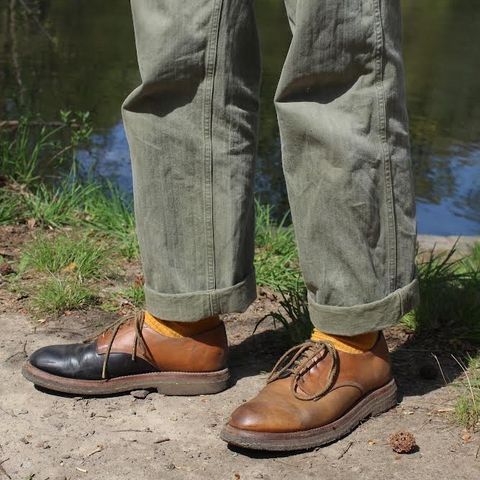
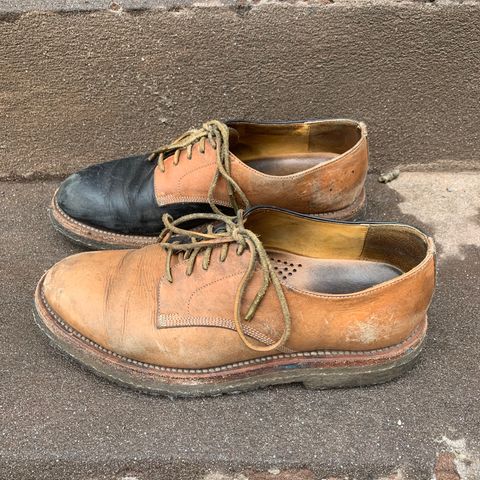
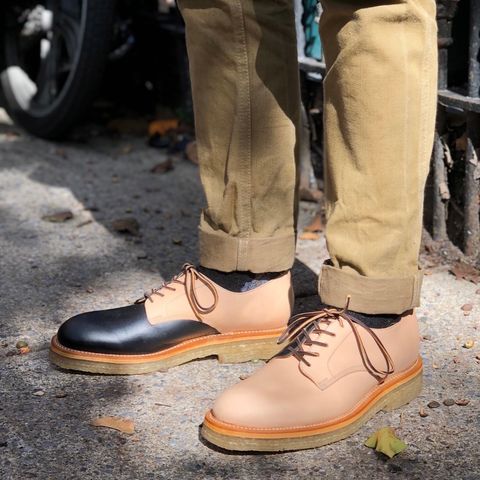
LeFarc Almera Crust is available in Natural and potentially other semi-finished states that provide starting points for custom color development. The Natural variation represents undyed crust leather, exhibiting the inherent color of the tanned hide substrate without pigmentation or significant color treatment.
These crust variations serve as bases for custom finishing programs, with end users or specialized finishers applying dyes, stains, and surface treatments to achieve desired final appearances. The range of achievable colors extends beyond standard finished leather offerings, as direct dye application to crust leather enables color depth and customization not possible with pre-finished materials.
Applications
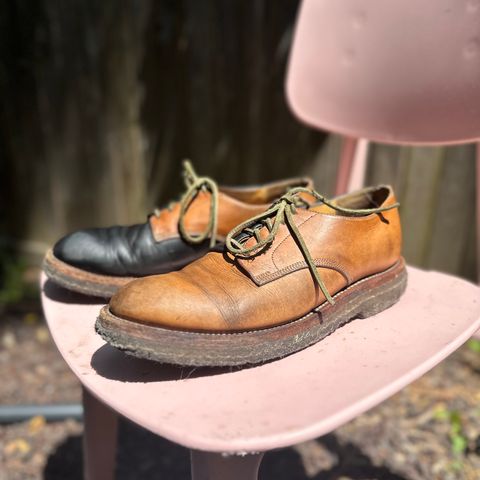
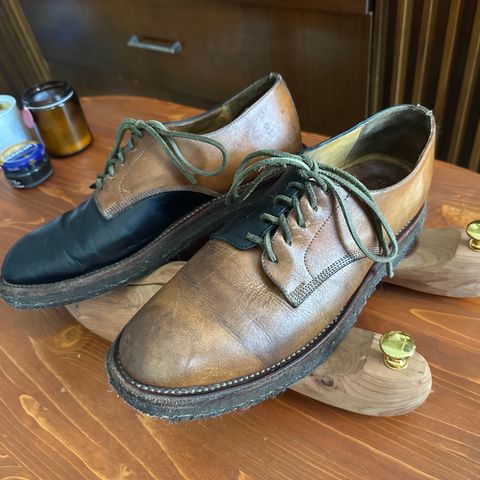
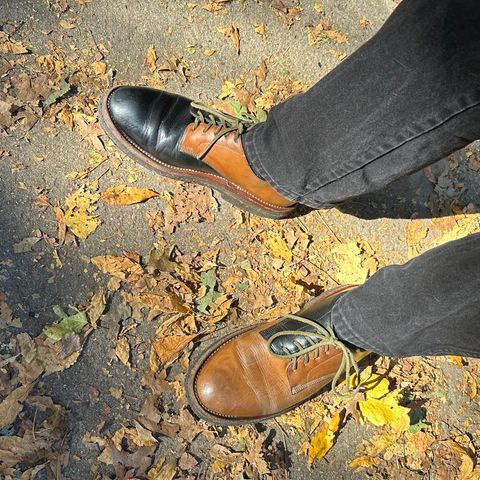
Almera Crust finds application in custom footwear production, leather goods manufacturing, and specialty finishing programs where control over final color and surface characteristics proves essential. Artisan bootmakers and custom shoemakers value crust leather for its ability to accept hand-applied patinas, custom dye work, and specialized aging treatments that create unique finished products.
Beyond footwear, crust leather suits applications including bespoke leather goods, custom watch straps, and artistic leatherwork where the maker's finishing expertise contributes significantly to the final product's appearance and value. The material's receptivity to treatment enables finishing techniques difficult or impossible with pre-finished leathers.
The crust state also serves industrial applications where subsequent finishing operations occur as part of integrated manufacturing processes, with the semi-finished material providing consistency for automated or semi-automated finishing lines.
Care and aging
Almera Crust in its unfinished state requires protection from soiling and staining, as the open surface readily absorbs liquids and environmental contaminants. Once finished through dye application and surface treatments, care requirements depend on the specific finishing program applied rather than the underlying crust characteristics.
The leather's aging behavior similarly depends on finishing choices, with different dye types, oil contents, and surface treatments producing varied patina development patterns. The crust base's receptivity to treatment enables finishers to influence aging characteristics through finishing formulation, creating materials that age according to design intent rather than predetermined patterns.
References
"LeFarc Leather Specifications". LeFarc. Retrieved November 1, 2025.