About
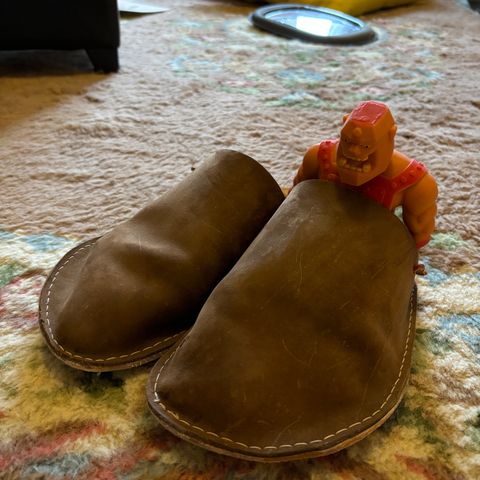
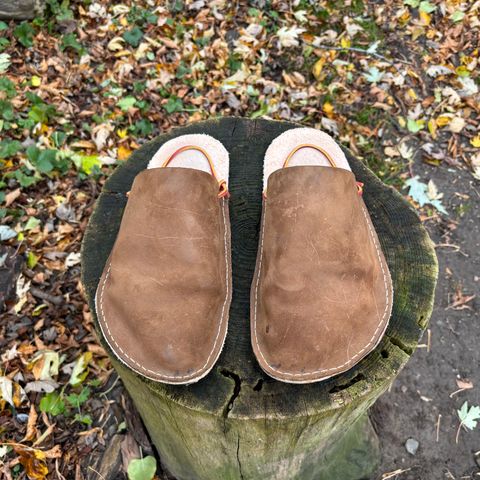
S.B. Foot Spitfire is a heavily waxed rough-out leather produced by the S.B. Foot Tanning Company in Red Wing, Minnesota. The leather is characterized by its reversed construction, with the flesh side of the hide facing outward, creating a suede-like surface that is then heavily waxed to enhance water resistance and durability. Spitfire has been used in several Red Wing Heritage boot models and is available to leather crafters through specialty suppliers.
About
S.B. Foot Spitfire is a heavily waxed rough-out leather produced by the S.B. Foot Tanning Company in Red Wing, Minnesota. The leather is characterized by its reversed construction, with the flesh side of the hide facing outward, creating a suede-like surface that is then heavily waxed to enhance water resistance and durability. Spitfire has been used in several Red Wing Heritage boot models and is available to leather crafters through specialty suppliers.
The leather is known for its soft, supple feel and quick break-in period compared to traditional smooth-finished leathers. The combination of the rough-out construction and heavy waxing produces a distinctive appearance that develops a rich patina with wear, making each piece unique over time.
Production
Spitfire is manufactured at the S.B. Foot Tannery using a chrome tannage process. The production begins with US-sourced steer hides that undergo the tannery's traditional high-exhaustion tanning method. The hides are first processed into "Wet Blues," a term referring to hides cured in chromium salts that take on a characteristic blue tone.
Following the initial tanning, the hides are re-wetted and shaved to achieve consistent thickness. They are then placed in large wooden drums where they soak in a mixture of tree oils, tanning agents, and dyes. S.B. Foot continues to use traditional wooden drums rather than modern steel or aluminum alternatives, as the wooden drums produce superior dyeing results. The extended soaking period allows the oils and chemicals to penetrate deeply into the leather, helping to conceal future scuffs and maintain color consistency throughout the leather's life.
The defining characteristic of Spitfire is its reversed construction and heavy waxing. Unlike traditional leather where the grain side (outer layer of the hide) faces outward, Spitfire is finished with the flesh side exposed. This creates a surface texture that is almost suede-like before the application of heavy wax treatment. The wax treatment significantly enhances the leather's water resistance while maintaining the soft, supple nature of the material.
Characteristics
Spitfire exhibits several distinctive properties that differentiate it from other S.B. Foot leather types. The rough-out construction gives the leather a grainy, textured exterior while maintaining a smooth interior surface. The heavy wax treatment creates a burnished appearance that provides both visual texture and vintage appeal.
The leather is notably soft and supple, requiring minimal conditioning when new. This characteristic makes Spitfire more flexible than many traditional boot leathers, contributing to a relatively quick break-in period. The leather readily molds to the shape of its application, whether in footwear or other leather goods, while maintaining structural integrity.
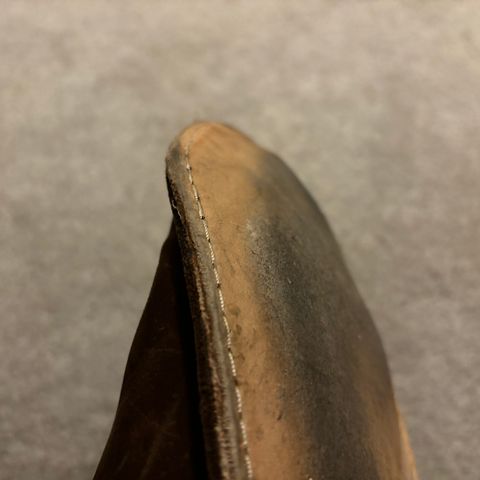
Spitfire's water resistance comes from the heavy waxing of the rough-out surface. The wax treatment, combined with the reversed leather construction, creates an effective barrier against moisture while allowing the leather to breathe. The material develops a distinctive patina with use, as the waxed surface gradually wears and ages, revealing variations in color and texture that enhance the leather's character.
Applications
Spitfire has been featured in several Red Wing Heritage boot models, though its availability has been limited compared to the company's more common leather offerings. The Red Wing Blacksmith style 2955 in Black Spitfire combines the leather with a Vibram 430 Mini-lug sole and traditional bronze eyelets and speed hooks. The Merchant style 8063 also utilizes Black Spitfire leather, pairing it with a Chemi Gum outsole in a classic 6-inch round toe work boot design.
Limited edition collaborations have showcased Spitfire's versatility in specialty applications. The Red Wing Iron Ranger style 4545, produced in partnership with Danish motorcycle shop Wrenchmonkees, featured Black Spitfire leather selected for its rugged properties and suitability for motorcycle use. This collaboration was limited to 666 pairs, exemplifying the leather's relative rarity in finished products.
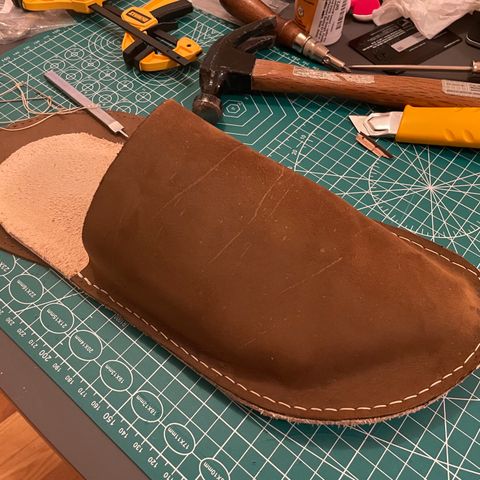
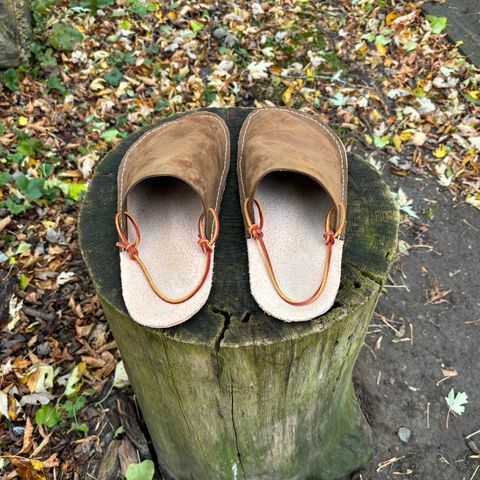
Beyond footwear, Spitfire is available to leather crafters and manufacturers through specialty leather suppliers. The leather is typically offered in 5-6 ounce thickness with a regular temper, making it suitable for a range of leather working projects including bags, accessories, and other goods requiring a durable, water-resistant material with distinctive character.
Care and Maintenance
Proper care of Spitfire leather focuses on maintaining the wax finish and protecting the rough-out surface. Neutral boot cream and leather protector are recommended for regular maintenance. The waxed surface should be periodically cleaned with a soft brush to remove dirt and debris without damaging the texture.
Unlike smooth-finished leathers that require frequent conditioning, Spitfire's heavily waxed surface needs minimal oil treatment. Over-conditioning can saturate the rough-out surface and diminish the protective wax layer. When the wax finish begins to wear, light applications of neutral wax-based products can restore water resistance and refresh the leather's appearance.
The leather's natural tendency to develop patina should be embraced as part of its character. The burnished look and visual texture will evolve with wear, creating unique patterns that reflect individual use. This aging process is considered desirable and contributes to Spitfire's appeal among leather goods enthusiasts.
See Also
S.B. Foot Tanning Company
Red Wing Heritage
Rough-out leather
Chrome tanning
References
"S.B. Foot Spitfire Bordeaux product page". OA Leather Supply. Retrieved October 14, 2025.
"Blacksmith 2955 in Black Spitfire blog post". Red Wing Amsterdam. Retrieved October 14, 2025.
"Red Wing Blacksmith Review". Purposeful Footwear. Retrieved October 14, 2025.