FEIT
MakerAbout
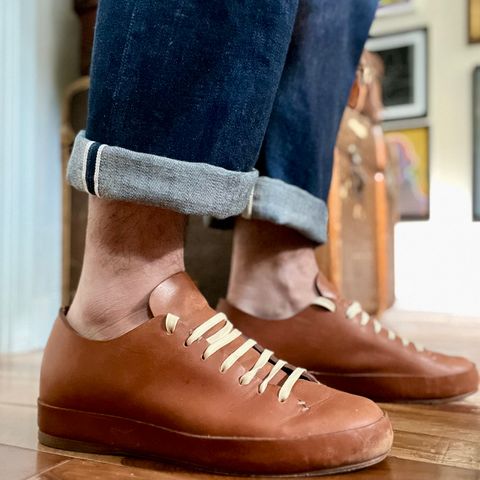
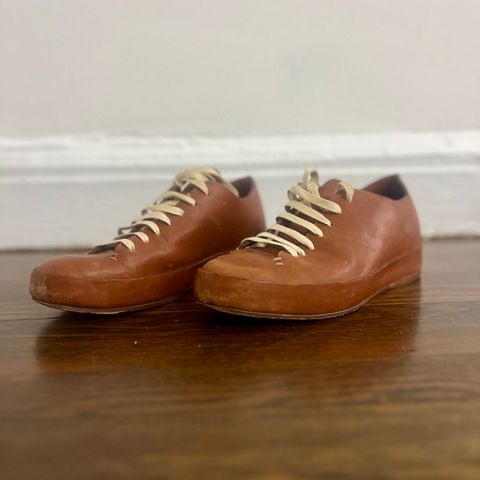
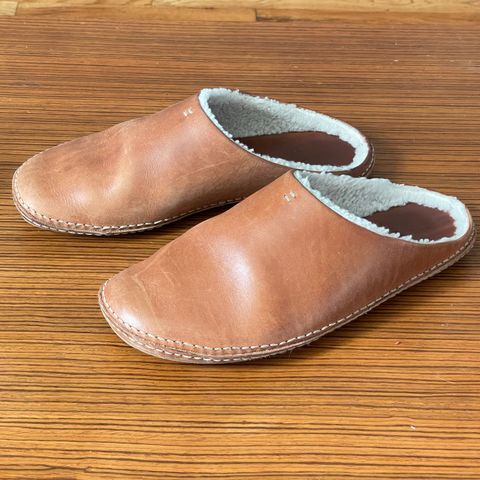
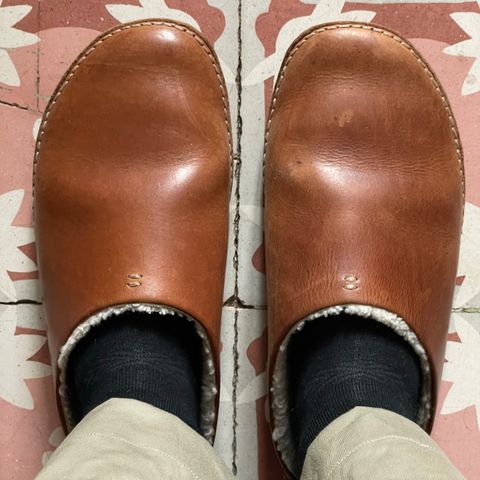
FEIT is a handmade footwear brand founded in 2005 by Australian brothers Tull Henry Price and Josh Price. The company emerged as a response to mass production practices in the footwear industry, emphasizing product integrity, sustainability, craftsmanship, and individuality. Known for its distinctive one-piece upper construction and commitment to natural materials, FEIT produces shoes entirely by hand using traditional techniques and biodegradable components.
About
FEIT is a handmade footwear brand founded in 2005 by Australian brothers Tull Henry Price and Josh Price. The company emerged as a response to mass production practices in the footwear industry, emphasizing product integrity, sustainability, craftsmanship, and individuality. Known for its distinctive one-piece upper construction and commitment to natural materials, FEIT produces shoes entirely by hand using traditional techniques and biodegradable components.
The brand's trademark seamless one-piece upper, hand-stitched at the heel, is based on lasts built in 2005 in collaboration with 96-year-old Tuscan master last-maker Verdichio Padrone. FEIT footwear is manufactured by a team of approximately twenty skilled shoemakers who personally sign each creation, ensuring individual accountability and craftsmanship quality. The company operates retail locations in New York City's Greenwich Village and maintains manufacturing partnerships with master craftspeople in Italy and China.
History and Founding
FEIT was established in 2005 by brothers Tull Henry Price and Josh Price, though the brand's conceptual roots trace back to 1996. Tull Price brought more than twenty years of footwear industry experience to the venture, having worked extensively in conventional shoe manufacturing before becoming disillusioned with mass production demands and cost-cutting practices.
The founding of FEIT represented Tull Price's deliberate departure from industrial footwear production, seeking to create what he described as "a counterpoint to consumerism and over-production." This philosophy positioned the brand within an emerging "neoluxury" movement that prioritized quality, sustainability, and product integrity over volume and excess.
In 2005, the Price brothers commissioned custom lasts from Verdichio Padrone, a 96-year-old Tuscan master last-maker, establishing the foundational forms that would define FEIT's aesthetic and fit characteristics. These original lasts continue to inform the brand's production, maintaining consistency with the founders' initial vision for handcrafted footwear that ages gracefully over time.
Manufacturing and Construction
FEIT employs traditional hand-stitching methods without the use of machines throughout the entire production process. Each shoe is assembled by one of approximately twenty shoemakers who work individually on complete pairs, signing each finished product to establish personal accountability for craftsmanship quality.
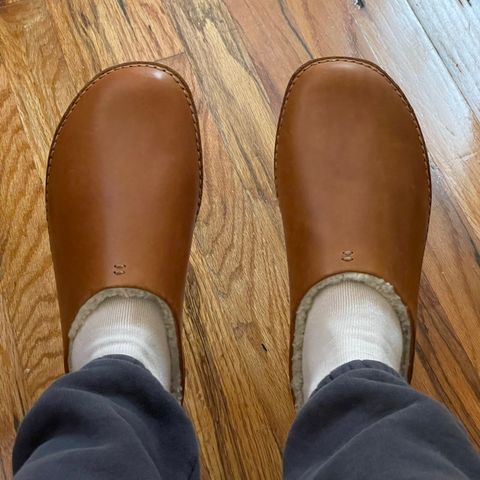
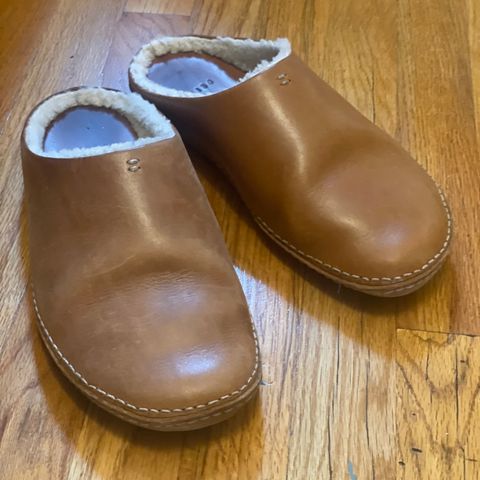
The brand's signature construction features a one-piece upper design, seamlessly formed from a single piece of Italian vegetable-tanned leather and hand-stitched at the heel. This construction method reduces waste while creating a distinctive aesthetic that allows the leather's natural characteristics to remain visible. The technique requires significant skill and time investment, as each stitch must be placed by hand without mechanical assistance.
FEIT utilizes both Goodyear welt and stitchdown construction techniques, traditional methods that allow shoes to be resoled repeatedly throughout their lifespan. The Goodyear welting process involves stitching a leather strip called a welt to both the upper and insole, creating a cavity between insole and outsole that is filled with natural cork. This cork layer provides cushioning while molding to the wearer's foot shape over time.
Manufacturing occurs in partnership with master craftspeople in Italy and China, with the brand emphasizing that skilled craftsmanship transcends geographic location. The Italian production focuses on the handsewn classic collection, while Chinese facilities employ highly trained artisans who demonstrate that quality handwork can originate from any location when craftspeople possess appropriate skills and time to execute traditional techniques.
Materials and Sustainability
FEIT exclusively uses natural, biodegradable materials in its footwear construction, prioritizing leathers in their most minimal processed state. The primary leather is Italian vegetable-tanned leather containing minimal dyes, chemicals, and pigments, allowing the material to retain its natural porous and breathable qualities.
The complete material composition includes an internal leather midsole, natural cork layer for cushioning, buffalo-leather outsole, rubber tread for traction, bamboo shank for structural support, and cotton cording for stitching. This material selection ensures that shoes can biodegrade naturally at the end of their useful life, contrasting with synthetic materials that persist indefinitely in landfills.
The vegetable tanning process uses natural tannins extracted from tree bark rather than chemical compounds, requiring significantly longer processing time but producing leather that develops rich patina as it ages. This tanning method aligns with FEIT's sustainability philosophy while creating leather that improves aesthetically with wear rather than deteriorating.
The brand's commitment to minimal processing produces shoes with muted, earthy tones that reflect the natural color variations in leather hides. Each shoe exhibits unique characteristics based on the specific section of hide used, making every pair distinct despite being cut from the same pattern.
Design Philosophy
FEIT's design approach emphasizes longevity, intentionality, and the beauty of imperfection, drawing influence from Japanese wabi-sabi aesthetic principles that celebrate the authentic and naturally imperfect. This philosophy manifests in footwear that is designed to "age gracefully and develop a patina" with use, improving aesthetically and becoming more comfortable as materials conform to the wearer's foot shape.
The brand positions its products as "built to last a lifetime," contrasting with disposable fashion models that prioritize trend cycles over durability. This approach reflects what the founders characterize as "neoluxury," moving away from conspicuous consumption toward appreciation of craftsmanship, material quality, and sustainable production practices.
FEIT's design language favors clean, minimal silhouettes that allow construction quality and material characteristics to serve as primary aesthetic elements. The one-piece upper construction creates flowing lines without visible paneling or excessive stitching, producing footwear that appears deceptively simple while requiring considerable skill to execute properly.
Retail Presence
FEIT operates two retail locations in New York City, with a primary store situated in Greenwich Village within walking distance of The Greenwich Hotel. These physical retail spaces allow customers to experience the handcrafted quality and natural materials firsthand, providing context for the brand's premium pricing that reflects genuine hand labor and material quality.
The brand also maintains a direct-to-consumer e-commerce platform at feitdirect.com, serving customers who cannot access physical retail locations while controlling the presentation and explanation of their production methods and material choices.
References
"FEIT Shoes | Made by Hand | Built to Last | Better With Wear". FEIT Direct. Retrieved November 11, 2025.
"FEIT handmade footwear New York". The Aficionados. Retrieved November 11, 2025.
"FEIT creates handmade footwear in natural materials". Wallpaper. Retrieved November 11, 2025.
"Feit Shoe Review: Why These $850 Handmade Sneakers Hold the Secret to Vintage Perfection". FashionBeans. Retrieved November 11, 2025.