About
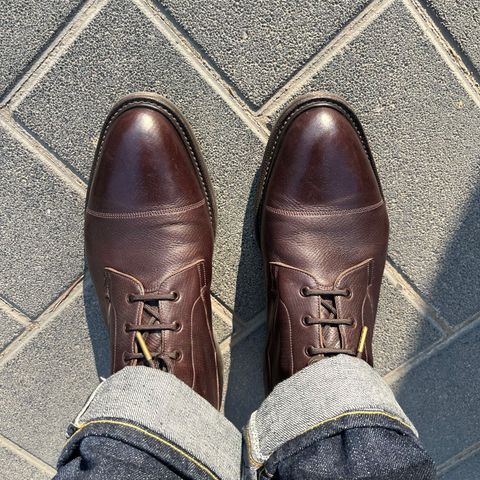
Haas Utah is an embossed grain calf leather produced by Tanneries Haas in Alsace, France. Distinguished by its characteristic hatchgrain pattern and soft, supple texture, Utah leather undergoes a specialized double-tanning process that combines chrome tanning with vegetable re-tanning. The leather is exclusively manufactured from A-grade European calf skins, with less than 30 percent of incoming hides meeting the stringent quality standards required for Utah production.
About
Haas Utah is an embossed grain calf leather produced by Tanneries Haas in Alsace, France. Distinguished by its characteristic hatchgrain pattern and soft, supple texture, Utah leather undergoes a specialized double-tanning process that combines chrome tanning with vegetable re-tanning. The leather is exclusively manufactured from A-grade European calf skins, with less than 30 percent of incoming hides meeting the stringent quality standards required for Utah production.
The leather has been produced by Tanneries Haas since the mid-1800s, with the tannery founded in 1842 when Aloïse Haas acquired a spinning mill in Alsace and converted it into a leather tannery. Utah leather is particularly valued in footwear applications, where its natural finish and ability to develop a distinctive patina over time make it popular for casual boots and shoes. Heritage footwear manufacturers including Edward Green, Meermin, and Sons of Henrey use Utah leather in their product lines.
Manufacturing process
Utah leather production begins with the careful selection of raw materials. Tanneries Haas sources hides from French and European farms, selecting them based on the tightness of their grain structure. Only A-grade selection skins qualify for Utah production, with the tannery rejecting more than 70 percent of incoming skins that fail to meet the required standards.
The leather undergoes a double-tanning process that distinguishes it from single-tanned alternatives. Skins are first chrome tanned, then vegetable re-tanned using a proprietary blend of chestnut, mimosa, and quebracho extracts. This combination tanning approach produces leather that maintains the durability of chrome tanning while gaining the natural aging characteristics associated with vegetable tanning. The vegetable re-tanning process creates leather that continues to develop character as it ages, rather than remaining static.
Following the tanning process, the leather is hot stuffed with a mixture of greases that nourish the material and contribute to Utah's signature suppleness. The skins are then through-dyed, ensuring consistent color penetration throughout the leather thickness rather than surface coloring alone. After dyeing, the characteristic hatchgrain pattern is embossed onto the surface, creating the distinctive textured appearance that identifies Utah leather.
Physical characteristics
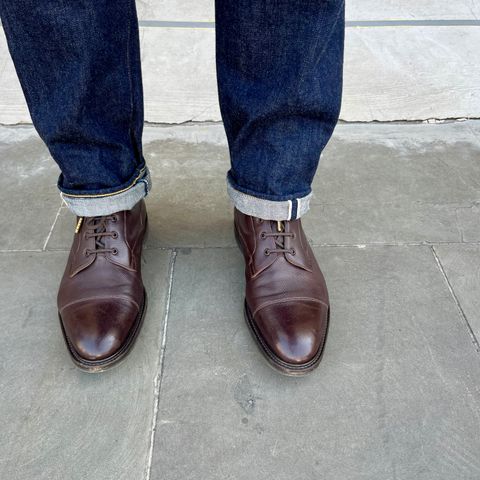
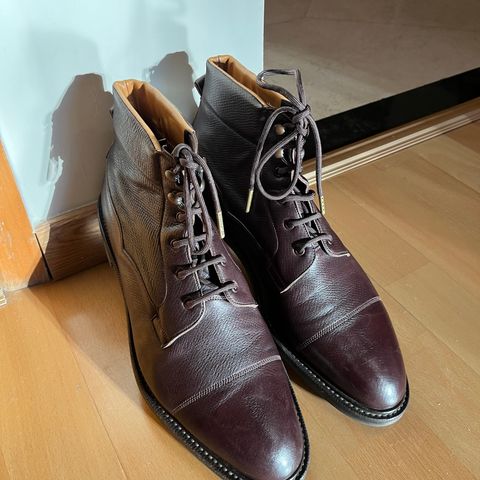
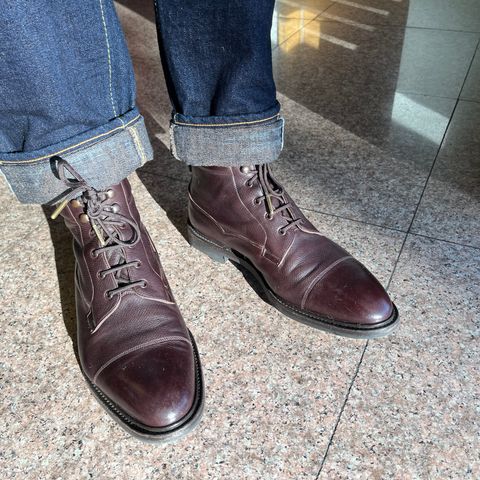
Utah leather exhibits a soft and supple texture that distinguishes it from firmer leather types. The embossed hatchgrain pattern creates a visible texture across the surface, providing both visual interest and practical benefits. As a full-grain leather produced using traditional Alsatian tanning techniques, Utah retains the natural grain structure of the hide beneath the embossed pattern.
The leather's texture and tanning process make it particularly suitable for applications requiring flexibility and comfort. The double-tanning process, combined with hot stuffing, produces material that requires minimal break-in time compared to heavily structured leathers. The through-dye process ensures that color remains consistent if the surface is scratched or scuffed, rather than revealing untreated leather beneath.
Utah leather develops patina through use and exposure. The natural finish allows the leather to absorb oils, water exposure, and wear patterns, creating visual changes over time. Each piece of Utah leather develops unique characteristics based on its individual use patterns, with high-wear areas darkening and developing more pronounced texture.
Applications
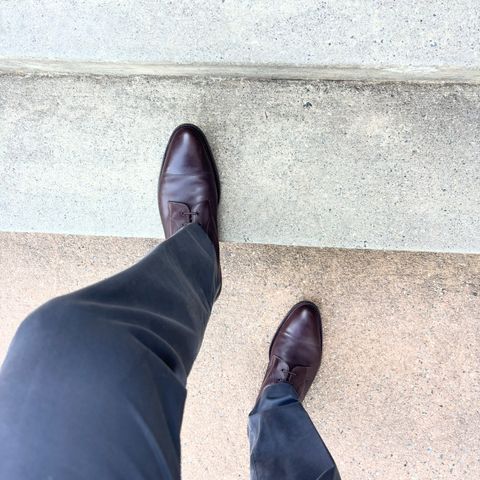
Utah leather is primarily used in casual footwear applications where its soft texture and natural finish provide advantages over more structured alternatives. The leather works particularly well for split toe derbies, Chelsea boots, and derby shoes, where flexibility and comfort take priority over formal appearance. Boot manufacturers select Utah for designs emphasizing casual aesthetics rather than high shine finishes.
Edward Green uses Utah leather in their Galway boot line, pairing it with the 82 last and Dainite soles. Meermin incorporates Utah leather in various casual boot and shoe models. Sons of Henrey offers Utah grain calf options across their casual footwear collection, emphasizing the leather's suitability for everyday wear rather than formal occasions.
The leather's embossed grain pattern and natural finish make it less suitable for highly polished formal footwear, where smooth calf leather better serves aesthetic requirements. Utah's strength lies in applications where character development and casual appearance align with design intentions.
History
Tanneries Haas was founded in 1842 when Aloïse Haas acquired a spinning mill in Alsace, France, and converted it into a tannery. The facility has remained under continuous operation by six generations of the Haas family. In 1900, Alfred Haas expanded production to include Box-Calf, a chrome-tanned calf leather that represented a technical advancement for the tannery.
The tannery received recognition in 1955 when their Novocalf innovation was awarded a gold medal at the Brussels World Fair. This recognition established Tanneries Haas as a producer of calf leathers within the European leather industry. Utah leather continued to be produced using traditional double-tanning methods while the tannery incorporated modern quality control and material selection processes.
In 2018, Tanneries Haas was integrated into Manufactures de Mode, bringing the tannery into a larger organization while maintaining its Alsatian production location and traditional manufacturing methods. The integration allowed the tannery to continue Utah leather production while benefiting from broader organizational resources.
References
Edward Green. "An Alsatian Tannery". Edward Green Journal. Retrieved October 28, 2025.
Tanneries Haas. "Tanneries Haas History". Tanneries Haas. Retrieved October 28, 2025.
Sons of Henrey. "Utah Grain Calf". Sons of Henrey. Retrieved October 28, 2025.
Sons of Henrey. "Utah Grain Calf Leather Shoes". The Henrey Periodical. Retrieved October 28, 2025.
Meermin. "Cognac Utah Leather Boot". Meermin. Retrieved October 28, 2025.
Edward Green. "The Galway". Edward Green. Retrieved October 28, 2025.
Gentlemen's Footwear. "Edward Green Galway in Dark Brown Utah". Gentlemen's Footwear. Retrieved October 28, 2025.
Leather Naturally. "Tanneries Haas Member Profile". Leather Naturally. Retrieved October 28, 2025.
Tanneries Haas. "Our Leathers". Tanneries Haas. Retrieved October 28, 2025.