About
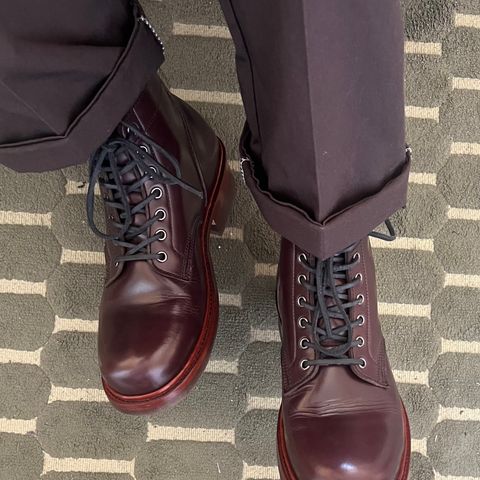
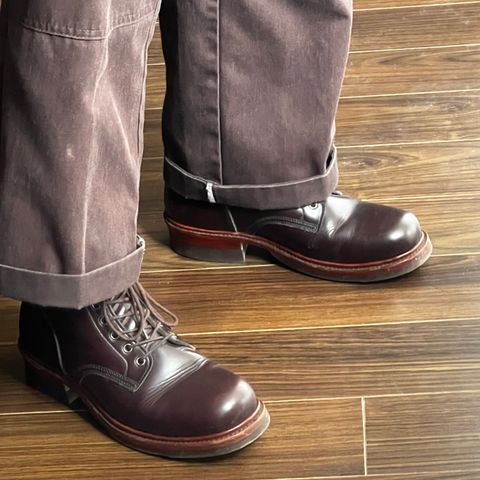
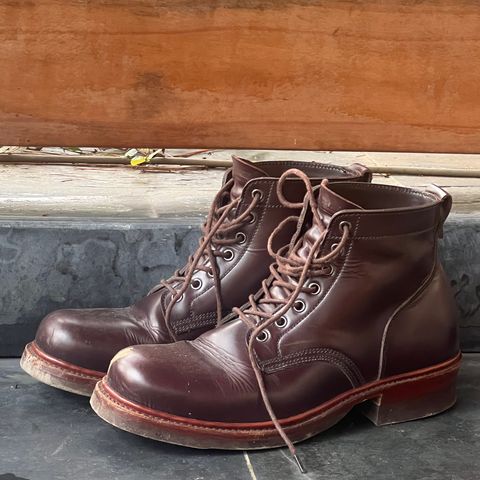
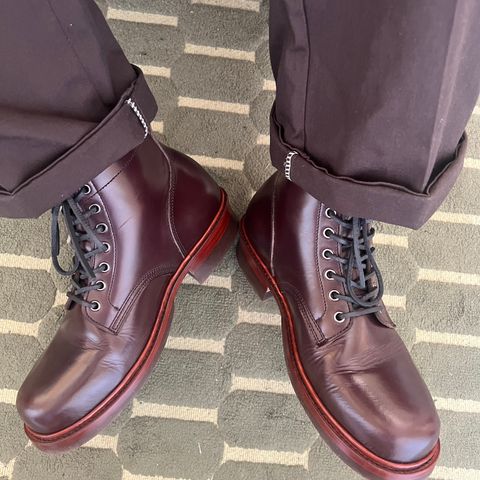
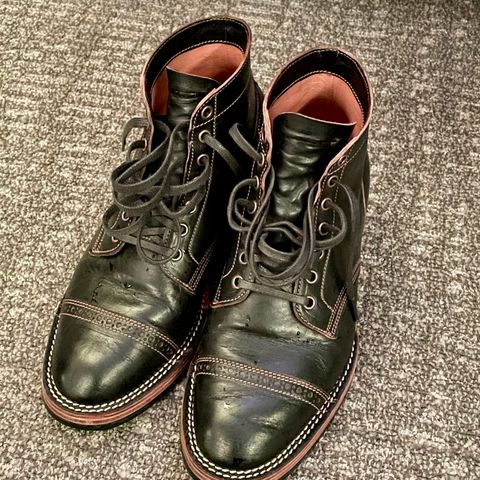
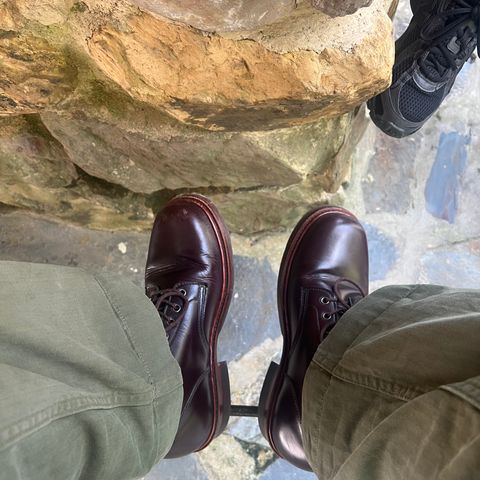
The Service Boot is a handmade boot model produced by Jakkrabbits Bootmaker, an Indonesian bootmaking company based in Bandung. The boot features hand-welt construction where the upper, insole, and welt are stitched together by hand, and is offered in multiple leather options including vegetable tanned leather from Badalassi Carlo tannery and Horween Chromexcel. Service boots from Jakkrabbits range from $340 to $530 depending on the model and leather selection, with a four to six week delivery guarantee for made-to-order purchases.
About
The Service Boot is a handmade boot model produced by Jakkrabbits Bootmaker, an Indonesian bootmaking company based in Bandung. The boot features hand-welt construction where the upper, insole, and welt are stitched together by hand, and is offered in multiple leather options including vegetable tanned leather from Badalassi Carlo tannery and Horween Chromexcel. Service boots from Jakkrabbits range from $340 to $530 depending on the model and leather selection, with a four to six week delivery guarantee for made-to-order purchases.
The boot incorporates premium materials and construction methods characteristic of heritage footwear manufacturing. The hand-welting process is more laborious and skill-intensive than machine-based Goodyear welt construction, requiring approximately 80 stitches per shoe at roughly 6mm intervals and about 20 minutes of hand-stitching per shoe. Jakkrabbits positions their service boots within the Indonesian bootmaking tradition that emerged during the Dutch colonial period, when welted footwear construction was introduced to the region.
Construction
The Service Boot uses hand-welt construction, with two variations available depending on the model. Some models feature Handwelted Goodyear 270° Flat Double-Row Welt Construction, while others use Handwelted Goodyear 270° Veldtschoen Construction. In hand-welt construction, a leather welt is sewn by hand to the upper and insole of the shoe using lockstitching technique, which creates a strong bond that is less likely to break or come apart even with extensive wear.
The hand-welting process uses a strap of raw leather approximately 2.5mm thick and 60cm long, along with thick waxed nylon thread. The needle must penetrate up to 13mm of combined material at heel and toe areas, passing through welt leather, insole, upper, lining, and stiffener layers. This labor-intensive process requires significantly more time than machine welting, which accomplishes the same task in under one minute per pair compared to 40 minutes for hand-welting.
The boot incorporates leather midsoles that add cushioning while being durable and conforming to the foot over time. Cork fills the cavity created between insole and outsole for additional comfort and insulation. Hardware includes brass eyelets with speed hooks. The boot is designed to be resoled and repaired, extending its usable lifespan through proper maintenance and restoration. Every stitch, cut, and detail is made by skilled hands with no mass production methods employed.
Materials
The Service Boot is offered in multiple premium leather options sourced from renowned tanneries. The Badalassi Carlo tannery in Italy supplies vegetable tanned leather used in several models. Additional leather options include Horween Chromexcel Leather, Heritage vegetable tanned leather, Shinki Hikaku black teacore leather from Japan, and Horween DHF horsehide.
Outsole options include a crepe wedge sole made by Vibram, with the Gloxi sole variant featuring cuts along the entire piece for enhanced flexibility and grip. Some models use a Dr. Sole 1090 Supergrip Half Sole in black.
Sizing and Fit
The company recommends using Brannock size measurements for ordering, supplemented with direct foot measurements for accuracy. Customers sizing between standard sizes can size up for a relaxed fit or size down for a snug fit. Those with wide feet marked as E, EE, or other wide designations should indicate their measurements in order notes. The company reviews sizing information and confirms details before proceeding with production.
Multiple last options accommodate the Service Boot style, including the Hornady, Nosler, Barnes, and Winchester lasts. The Hornady Last is applicable for Service Boots, Field Boots, Logger Boots, Officer Boots, Balmoral Boots, Balmoral Oxford Boots, Gunner Boots, and Derby Shoes, while the Nosler Last serves Service Boots, Field Boots, Logger Boots, and Officer Boots among other styles.
Pricing and Ordering
Service boots from Jakkrabbits range from $340 for the Made-to-Order service to $530 for specific models with premium leathers. The company offers free worldwide shipping on orders over $200.
Lead times for made-to-order boots are approximately one month, with a four to six week delivery guarantee. The company operates a state-of-the-art website that provides user-friendly ordering compared to typical Instagram or WhatsApp-based ordering systems used by other makers in the region.
Indonesian Bootmaking Heritage
Indonesia's welted footwear production has historical roots in the Dutch colonial period, when the Netherlands introduced the making of welted shoes to the region during their rule that ended in the 1940s. The Cibaduyut region of Bandung was one of the largest shoemaking regions in Asia, with handwelting techniques widely employed in production.
Contemporary Indonesian bootmakers employ hand-welting construction methods as their primary technique. Many producers utilize hand lasted, hand welted boots with both domestic Indonesian leather and imported European and American hides. Quality welted footwear begins around €170-€230 domestically in Indonesia. The modern industry emphasizes American-inspired workwear boot aesthetics, with younger Indonesian artisans building up worldwide recognition again for their craft.
Jakkrabbits positions itself as one of the newer brands in this tradition, combining traditional hand-welting craftsmanship with modern ordering systems accessible to international customers through digital platforms.
References
"Made to Order Service - Custom Boots". Jakkrabbits Bootmaker. Retrieved December 3, 2025.
"Why Goodyear Welt Construction Matters". Thorogood USA. Retrieved January 19, 2026.
"The Hand Welted Sole Construction". Zonkey Boot. Retrieved January 19, 2026.
"The Art of Hand-Welting and Hand-Stitching in Bespoke Shoemaking". Bondeno Shoes. Retrieved January 19, 2026.
"Indonesian Quality Shoes: Buyer's Guide". Shoegazing. Retrieved January 19, 2026.