Adelante Made-To-Order
MakerAbout
Adelante Made-To-Order was a social enterprise footwear company that operated from 2016 to 2025, producing handcrafted leather boots and shoes in Pastores, Guatemala. Founded by Peter Sacco, the company pioneered a made-to-order business model that paid artisans double the local wage while offering extensive customization options at accessible prices. All footwear featured Goodyear welt construction and was hand-lasted and hand-finished by skilled Guatemalan craftspeople.
About
Adelante Made-To-Order was a social enterprise footwear company that operated from 2016 to 2025, producing handcrafted leather boots and shoes in Pastores, Guatemala. Founded by Peter Sacco, the company pioneered a made-to-order business model that paid artisans double the local wage while offering extensive customization options at accessible prices. All footwear featured Goodyear welt construction and was hand-lasted and hand-finished by skilled Guatemalan craftspeople.
History
Peter Sacco founded Adelante in 2016 after years of development work in Latin America. At age 16, Sacco visited the region as a surfer and was deeply affected by the poverty and inequality he witnessed. He subsequently worked for a nonprofit building stoves in Guatemala and interned at the State Department in Mexico City. These experiences led him to pursue graduate studies at the Tufts Fletcher School, where he developed the concept for Adelante as a for-profit vehicle for sustainable economic development.
The company began selling shoes in May 2017, establishing its workshop in the historic shoemaking town of Pastores, Guatemala. The town was home to over 1,000 cobblers practicing traditional leatherworking techniques passed down through generations. Adelante's model aimed to preserve this craft heritage while providing stable, well-compensated employment in a region where formal employment rates were below 10 percent.
The company ceased operations in 2025, though the exact circumstances and date of closure remain undocumented in available sources.
Manufacturing
Adelante operated a single workshop in Pastores, Guatemala, eschewing factory production in favor of traditional craftsmanship. Each pair of shoes was made to order by individual artisans, with customers receiving updates throughout the production process. The company's manufacturing approach emphasized the connection between maker and customer, with each craftsperson's individual style visible in the finished product.
The production timeline was efficient for made-to-order footwear, with boots typically completed within 10 days to two weeks. Artisans like Adrian Gomez, a second-generation shoemaker, worked with simple tools including workbenches, hammers, knives, and glue. Gomez used the same 25-year-old hammer his father had used, exemplifying the multigenerational nature of the craft in Pastores.
Construction Methods
All Adelante footwear featured Goodyear welt construction, a method that involves stitching the upper leather to a welt strip, which is then attached to the sole. This construction technique allows boots to be fully resoled, extending their lifespan significantly compared to cemented construction methods.
The manufacturing process was entirely hand-done, with each boot hand-lasted and hand-finished. Hand lasting involves stretching and shaping the upper leather over a foot-shaped form called a last, a process requiring skill and experience to achieve proper fit and shape. The hand-finishing process included edge finishing, sole attachment, and final detailing work that gave each pair unique characteristics.
Products
Adelante's product line included boots, shoes, and sandals for both men and women. The company's signature offering was its extensive customization program, which allowed customers to specify exact sizing, width, and aesthetic details. Notable styles included:
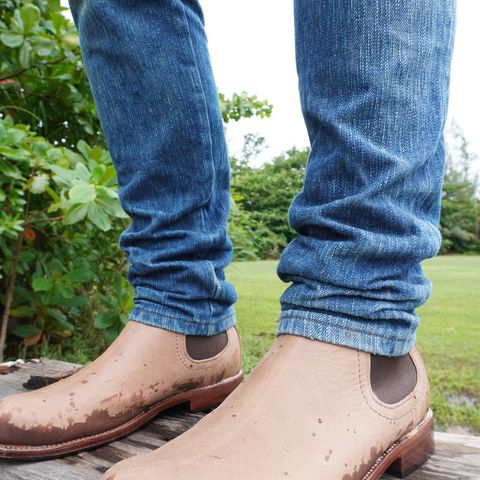
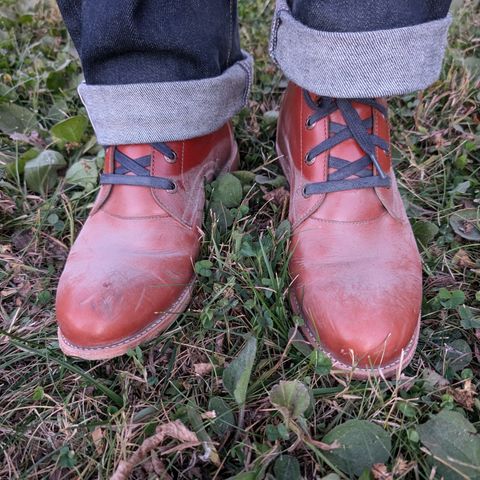
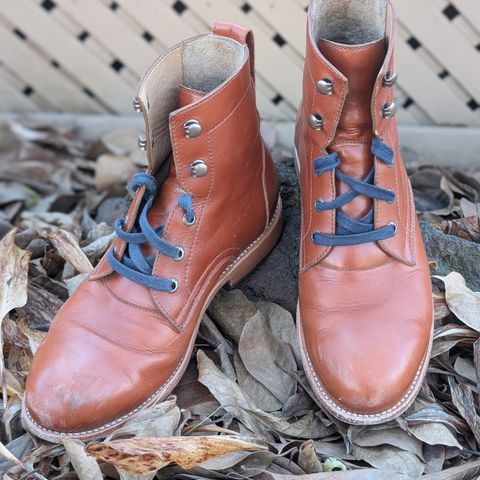
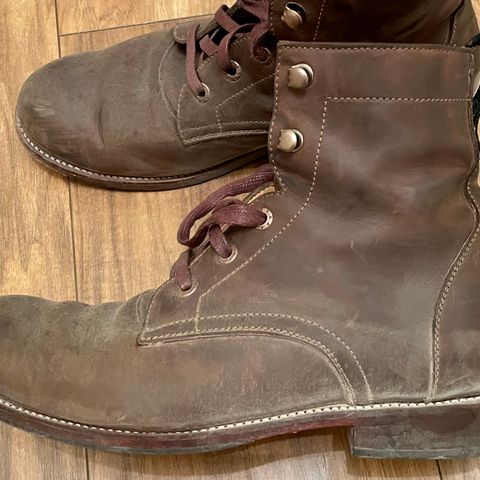
The Havana: A high-top boot featuring full-grain leather and rugged construction
The Sofia: Women's boots designed for versatility and comfort
The Condesa: Women's riding boots with 14 calf width options
The Valparaíso: The original Adelante design, described as combining durability with classic styling
Pricing ranged from $350 to $495, positioning handcrafted made-to-order footwear at prices below typical bespoke offerings while maintaining quality construction standards.
Customization
Adelante offered extensive size options and width choices to accommodate customers who typically struggled to find proper fits in standard retail offerings. The company also provided leather selection options across different boot sections and monogramming services.
According to founder Peter Sacco, this customization capability enabled the company to provide value impossible for mass-market brands while serving customers with hard-to-fit feet who previously faced limited options at premium prices.
Social Impact
Adelante distinguished itself through its commitment to ethical manufacturing practices and social impact measurement. The company developed what it called the "Living Well Line" methodology, based on United Nations Sustainable Development Goals, to determine fair compensation for its workers.
Rather than simply paying prevailing wages, Adelante conducted annual evaluations to determine what employees themselves defined as necessary goods and services for living well in their communities. This approach resulted in artisans earning approximately double the local market rate for similar work. The company also provided both private and public health insurance options and formal employment contracts, rare benefits in Guatemala's informal economy.
Employees reported tangible improvements in their economic circumstances, with some using their income to launch side businesses such as grocery stores. Many progressed from walking to work to purchasing motorcycles and eventually automobiles, indicators of increased economic stability and opportunity.
Legacy
Though the company's operational period was relatively brief, Adelante established a model for combining craft preservation, fair labor practices, and accessible luxury goods. The company's approach demonstrated that made-to-order manufacturing could be both economically viable and socially beneficial, challenging conventional footwear industry practices around pricing, production timelines, and labor compensation.
Sacco described Adelante's philosophy as "capitalism retooled," envisioning for-profit business as a tool to reduce poverty and promote inclusive development worldwide. The company's transparency reports and published impact evaluations contributed to broader discussions about measuring social enterprise effectiveness and defining fair wages in international development contexts.
References
"Handcrafted Men's & Women's Leather Shoes". Adelante Made-To-Order. n.d. Retrieved November 11, 2025.
"Our Story". Adelante Made-To-Order. n.d. Retrieved November 11, 2025.
"How Leather Shoes Are Made in the Old Country". The Manual. n.d. Retrieved November 11, 2025.
"This Made-to-Order Shoe Brand Wants to Change the Footwear Industry". The Manual. n.d. Retrieved November 11, 2025.
"Adelante Shoe Co: Using shoes as a tool for social impact". Gordon Institute at Tufts University. n.d. Retrieved November 11, 2025.
"Adelante Shoe Co. Business Profile". Better Business Bureau. n.d. Retrieved November 11, 2025.