About
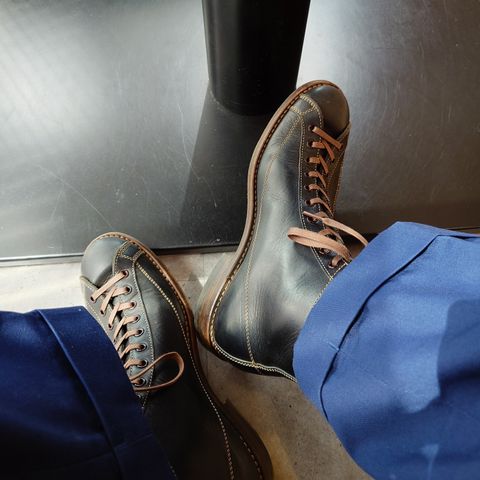
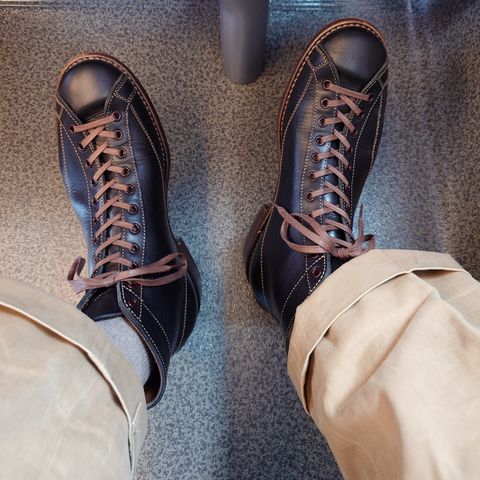
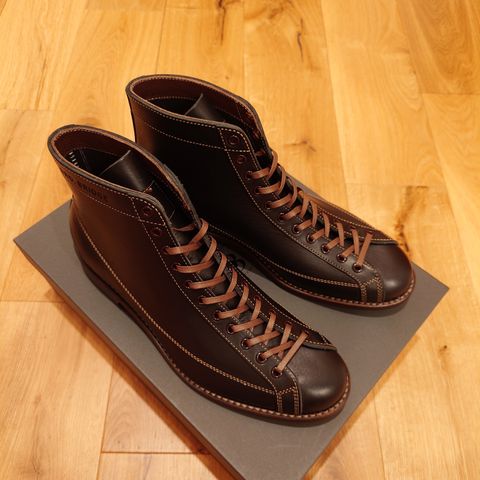
Conceria 800 Nero Toscano is a black vegetable-tanned leather produced by Conceria 800 in Santa Croce sull'Arno, Tuscany, Italy. Nero, meaning "black" in Italian, represents the black color variant within the Toscano leather line, which is distinguished by its traditional pit tanning process and natural patina development. As part of the horsebutt leather category from Conceria Cloe, Nero Toscano combines the durability of horsehide with the rich character of vegetable tanning.
About
Conceria 800 Nero Toscano is a black vegetable-tanned leather produced by Conceria 800 in Santa Croce sull'Arno, Tuscany, Italy. Nero, meaning "black" in Italian, represents the black color variant within the Toscano leather line, which is distinguished by its traditional pit tanning process and natural patina development. As part of the horsebutt leather category from Conceria Cloe, Nero Toscano combines the durability of horsehide with the rich character of vegetable tanning.
The leather is produced using "Concia In Fossa" or pit tanning, a traditional Tuscan method that relies entirely on natural vegetable extracts from wood, bark, fruit, and roots. This artisanal process, which requires approximately six months from raw material to finished product, creates leather that develops a unique patina over time while maintaining the structural integrity and natural qualities typical of premium vegetable-tanned leathers.
History
Conceria 800 established operations in 1969, specializing in the processing of shoulders and half calves leathers in Santa Croce sull'Arno, located in the Pisa province of Tuscany. The company was formally founded in the late 1970s following the acquisition of the historic "Tre Chiodi" tannery, which had built a reputation for quality leather goods and traditional vegetable tanning methods. This acquisition provided Conceria 800 with access to established pit tanning techniques that had been refined over generations in the Italian leather district.
Operating with a share capital of €2,000,000.00, the tannery maintains production facilities in the heart of Italy's traditional leather-making region, where vegetable tanning has reached its greatest expression through centuries of artisan development. The company's philosophy emphasizes that "craftsmanship is our language, innovation is our compass and proactivity is our driving force," reflecting a balance between preserving traditional methods and meeting contemporary quality standards.
Tanning process
The production of Toscano leather employs the traditional Concia In Fossa method, an artisanal pit tanning process that has remained largely unchanged over time. Hides are soaked in a mixture of natural tannins and water extracted from tree bark, fruits, and other plant sources for several weeks. The tanning process utilizes vegetable extracts from mimosa, chestnut, and oak trees, with every piece of leather prepared using these natural materials from a variety of wood, bark, fruit, and roots.
This environmentally conscious process avoids synthetic chemicals entirely, distinguishing vegetable-tanned Tuscan leather from chrome-tanned alternatives. The production timeline spans approximately six months from raw material to finished leather, reflecting the time-intensive nature of traditional pit tanning methods. Hides are stuffed with fats during processing to achieve the characteristic softness and workability of the Toscano line.
Conceria 800 maintains multiple industry certifications including Leather Working Group (LWG), ISO 14001, ISO 45001, and ICEC-TR, demonstrating adherence to environmental and quality management standards. The tannery employs hand-antiquing and natural milling techniques as part of its specialized production process for European raw leathers.
Characteristics
Nero Toscano maintains the qualities typical of artisanal Vacchetta leather, presenting naturally rich color and texture. The material develops character through wear rather than degrading, with durability designed to improve with age and use over a lifetime. Vegetable-tanned leather develops a natural patina that gives each piece unique character over time, ensuring that no two pieces look identical as the leather matures and interacts with its environment.
The vegetable tanning process creates leather that resists wear, water damage, and deterioration over time, making it suitable for demanding applications in heritage footwear and leather goods. The Toscano line includes both classic shades such as black and brown, as well as more contemporary options like olive green and navy blue, with Nero representing the traditional black variant within this range.
The leather production employs traditional 19th century methods that have been passed down for generations in the Tuscany region of Italy, connecting modern Nero Toscano production to deep artisanal heritage. The combination of traditional pit tanning, natural fat stuffing, and extended processing time results in leather with distinctive characteristics that heritage footwear manufacturers value for its workability, aging properties, and authentic appearance.
References
"Conceria 800 S.p.A". Conceria 800. Retrieved October 23, 2025.
"Tannery: Conceria 800". Alfie Douglas. Retrieved October 23, 2025.
"What is vegetable-tanned Tuscan leather and why does it make our bags so special". San Rocco Italia. Retrieved October 23, 2025.