About
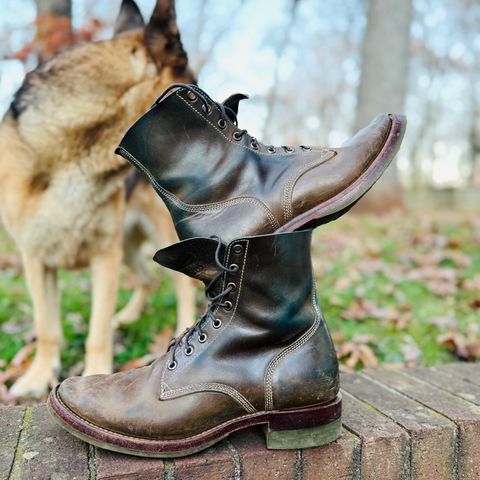
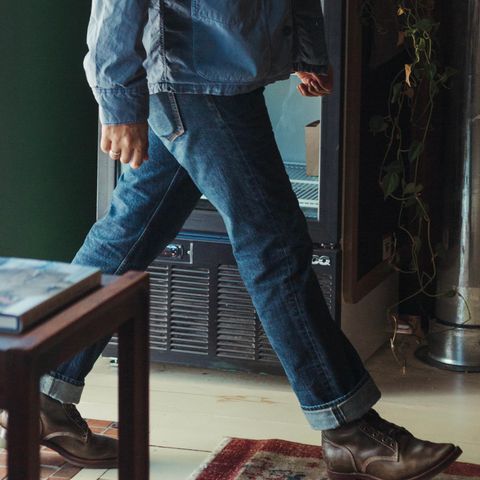
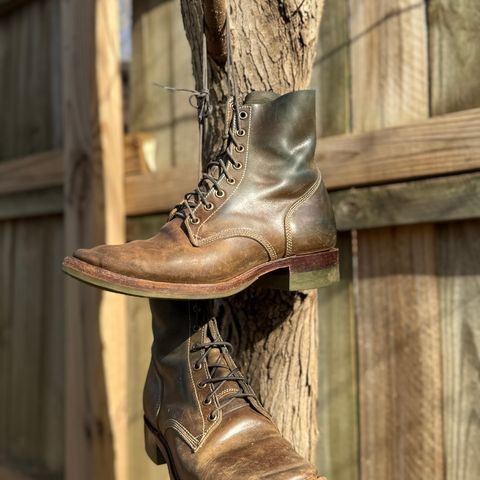
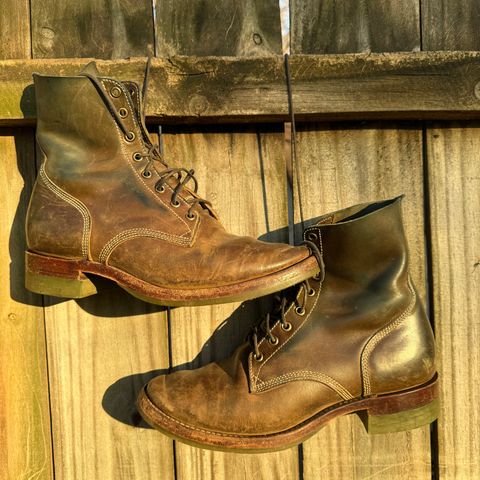
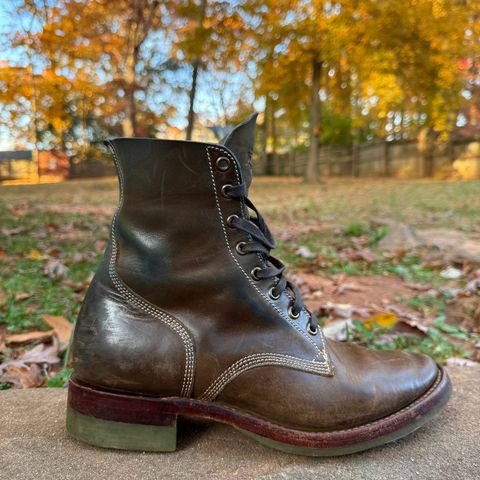
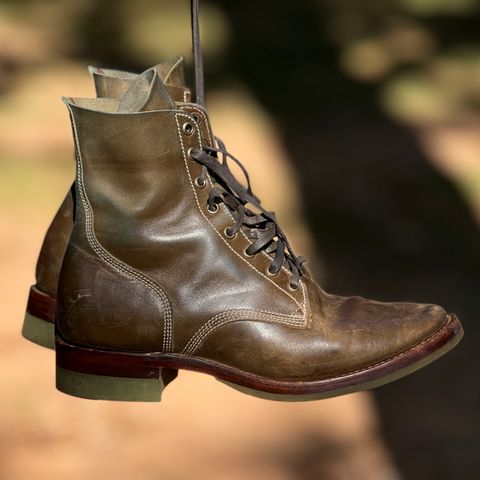
The Willie's Handmade Boots Boondocker represents a modern interpretation of the classic military field boot, handcrafted in the Philippines by William Carmona and his team. This made-to-order boot combines traditional Boondocker design elements with high-quality materials and meticulous handwork, offering heritage boot enthusiasts an accessible entry into custom footwear at approximately $450 for Chromexcel leather or $550 for horsebutt leather options.
About
The Willie's Handmade Boots Boondocker represents a modern interpretation of the classic military field boot, handcrafted in the Philippines by William Carmona and his team. This made-to-order boot combines traditional Boondocker design elements with high-quality materials and meticulous handwork, offering heritage boot enthusiasts an accessible entry into custom footwear at approximately $450 for Chromexcel leather or $550 for horsebutt leather options.
Design and Construction
The Willie's Boondocker follows the classic silhouette of the U.S. Navy N-1 Field Shoe, featuring roughout leather uppers that provide both durability and water resistance. The boot is constructed using Goodyear welt construction, ensuring long-term durability and the ability to be resoled as needed. Unlike many modern interpretations, Willie's uses a pebbled softer leather insole rather than the typical veg tan slab, providing a different feel underfoot.
The construction quality has earned praise from the heritage boot community, with reviewers noting "top notch" execution, excellent stitching, and exceptional finishing on edges. The brand uses brass hardware throughout, quality threads, and includes high-quality cotton laces with each pair. Willie's maintains a no-shortcuts philosophy, avoiding synthetic materials in construction.
Materials and Specifications
The Boondocker is built on Willie's S4 Flatbox Last and offers various material configurations. Upper leather options include roughout finishes in Horween Chromexcel, Maryam Toscanello horsebutt, Maryam Olive horsebutt, and Maryam Black horsebutt. The roughout construction follows the traditional Boondocker approach of using the flesh side of the leather on the exterior, creating a suede-like finish that improves durability and weather resistance.
Outsole options include Dr. Sole raw cord or the Dr. Sole #1140 Supergrip II Half Sole. Some configurations feature leather outsoles with a glued topy for additional protection. The flexibility in material selection reflects Willie's made-to-order business model, allowing customers to customize their boots to their preferences.
Real-World Performance
User experiences demonstrate the boot's durability in daily wear conditions. One owner wore their Maryam Olive Horsebutt Boondocker almost every day for six months, subjecting them to rain, shallow water, park walks, and motorcycle riding on both Vespa scooter and Harley V-Rod. The boots maintained their integrity throughout this intensive use, validating the construction quality and material choices.
The roughout leather upper proves particularly practical for regular wear, as the suede-like finish naturally conceals minor scuffs and develops character over time. This characteristic made the original military Boondockers ideal for field use and translates well to contemporary daily wear in varied conditions.
Ordering Process and Lead Times
Willie's Handmade Boots operates entirely on a made-to-order basis, creating individual pairs as orders come in rather than maintaining inventory. The official lead time is 10 to 12 weeks from deposit to delivery. Customer reports confirm this timeline, with one example showing a deposit paid in early December 2024 and quality control photos received on March 10, 2025, approximately 12 weeks later.
Communication occurs primarily through Instagram, where Willie responds to inquiries and provides updates. While generally efficient, response times can range from immediate to a day or two, requiring some patience from customers. The process includes quality control photos before final shipment, allowing customers to inspect their boots before delivery.
Shipping from the Philippines to international destinations costs approximately $120, representing a significant portion of the total investment but necessary given the made-to-order nature and international shipping requirements.
Value Proposition
At $450 for Chromexcel and $550 for horsebutt leather configurations, the Willie's Boondocker occupies an interesting position in the heritage boot market. The community consistently describes these as "beautiful handmade boots from a small maker for a VERY fair price," particularly when compared to similar offerings from established Western makers that often exceed $700 to $1,000.
The value calculation includes genuinely handmade construction, quality materials from respected tanneries like Horween and Maryam, customization options, and the unique appeal of supporting a small independent maker. The boots compete favorably with mass-produced offerings while providing a level of craftsmanship typically associated with higher price points.
Brand Heritage and Recognition
Willie's Handmade Boots emerged around 2018-2019 from William Carmona's cobbler shop in Pasig, Philippines. The business began by repairing and altering shoes, boots, and sneakers before transitioning into original production. Beyond footwear, Willie's also produces wallets and belts, maintaining a focus on leather goods craftsmanship.
The brand gained notable recognition when Willie created custom biker boots that Philippine President Ferdinand Marcos Jr. gifted to Czech President Pavel during a state visit. This high-profile commission demonstrates the brand's growing reputation and the quality of work that has attracted attention beyond the online heritage boot community.
Willie's approach emphasizes individual craftsmanship and customer relationships over mass production, operating as a true small maker in an increasingly consolidated industry. Each pair receives individual attention, with Willie personally overseeing quality control and customer communications.
Historical Context: The Boondocker Style
The term "Boondocker" derives from the Tagalog word "bundok," meaning mountain. American soldiers stationed in the Philippines during the early 20th century adopted "boondocks" to describe remote or rugged terrain, and the boots designed for these conditions became known as Boondockers. The U.S. Navy officially designated them as N-1 Field Shoes and issued them widely during World War II, particularly in the Pacific Theater.
The original design prioritized function over form: roughout leather provided durability and water resistance essential for jungle operations, while Goodyear welt construction ensured boots could be repaired in the field. The corded soles, originally crafted from repurposed car tires and nylon to conserve materials during wartime, became a signature design element that persists in modern interpretations.
The Boondocker transcended its military origins when Steve McQueen wore a pair as Virgil Hilts in the 1963 film "The Great Escape." McQueen's rebellious character and the film's cultural impact transformed the practical military boot into a style icon, embodying rugged independence and masculine aesthetics. This cultural moment established the Boondocker as a legitimate fashion choice beyond its functional military roots.
Willie's production of Boondockers in the Philippines creates an interesting historical connection, as the boot style itself emerged from American military presence in the Philippines and borrowed its name from Tagalog. This geographic link adds an authentic dimension to Willie's interpretation of the classic design.
References