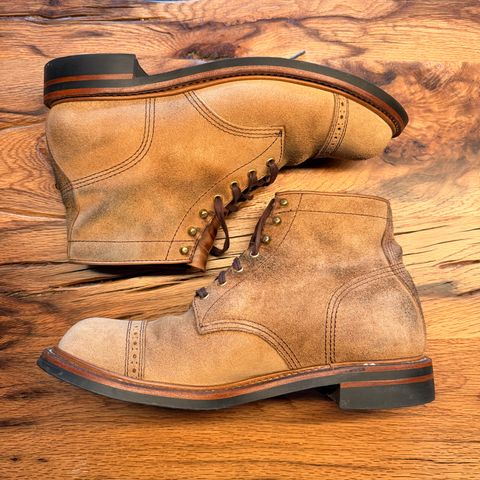
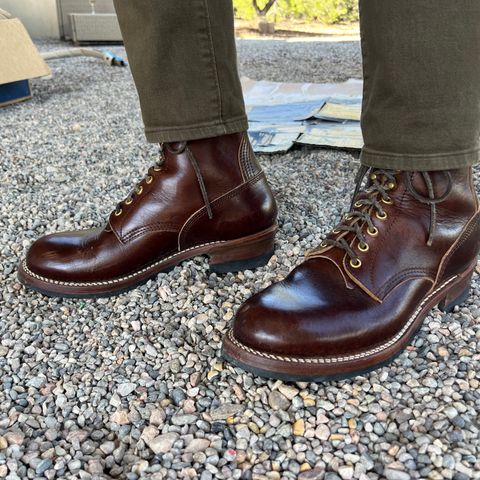
John Lofgren Bootmaker
MakerAbout
John Lofgren Bootmaker is a Japanese footwear brand specializing in vintage-inspired boots and shoes handcrafted by skilled artisans in Japan. Founded by John Lofgren, an American expatriate with deep roots in vintage clothing and footwear, the company produces exceptional footwear rooted in Japanese craftsmanship traditions while drawing inspiration from American workwear heritage. The brand is known for meticulous attention to detail, historically accurate reproductions of vintage boot styles, and the employment of shokunin craftspeople dedicated to mastering their particular skills.
About
John Lofgren Bootmaker is a Japanese footwear brand specializing in vintage-inspired boots and shoes handcrafted by skilled artisans in Japan. Founded by John Lofgren, an American expatriate with deep roots in vintage clothing and footwear, the company produces exceptional footwear rooted in Japanese craftsmanship traditions while drawing inspiration from American workwear heritage. The brand is known for meticulous attention to detail, historically accurate reproductions of vintage boot styles, and the employment of shokunin craftspeople dedicated to mastering their particular skills.
John Lofgren Bootmaker sources materials ethically from Japan, the United States, the United Kingdom, France, Germany, and Italy, combining premium components with expert Japanese construction to create footwear representing "Made in Japan" at its finest. The company's product range includes engineer boots, logger boots, service shoes, and various other vintage-inspired styles.
Founder and company history
John Lofgren was born and raised near Fresno, California, where he developed an early interest in vintage clothing and footwear. This passion led him to pursue work in the vintage business, eventually bringing him to Japan as an adult to continue and expand his vintage-related activities.
While working in the Japanese vintage market, Lofgren began developing vintage-influenced product lines, applying his knowledge of historical garments and footwear to creating new items that captured the essence and quality of vintage originals. This evolution from vintage dealer to manufacturer allowed Lofgren to create the specific products he felt were missing from the contemporary market.
The establishment of John Lofgren Bootmaker represented the culmination of this development, providing a platform for producing footwear that met Lofgren's exacting standards for historical accuracy, material quality, and construction excellence. The decision to manufacture in Japan reflected both his personal circumstances and recognition of Japanese craftsmanship traditions in producing high-quality leather goods and footwear.
Craftsmanship and production philosophy
John Lofgren Bootmaker emphasizes the concept of shokuninkishitsu, a Japanese term describing individuals dedicated to mastering their particular craft. The company's craftspeople are not production line workers performing repetitive tasks, but skilled artisans who have developed deep expertise in specific aspects of boot construction through extended apprenticeship and practice.
This approach to production prioritizes quality and authenticity over efficiency and volume. Each pair of boots receives extensive handwork, with individual craftspeople applying techniques refined through years of practice. The manufacturing process incorporates traditional methods appropriate to vintage-inspired footwear, including hand-lasting, detailed stitching, and careful finishing.
The company's attention to detail extends to pattern development and specifications, with designs based on careful examination and measurement of vintage examples from Lofgren's personal archive. This historical research ensures that reproductions capture not just the visual appearance of vintage boots, but also their proportions, construction details, and functional characteristics.
Engineer boots
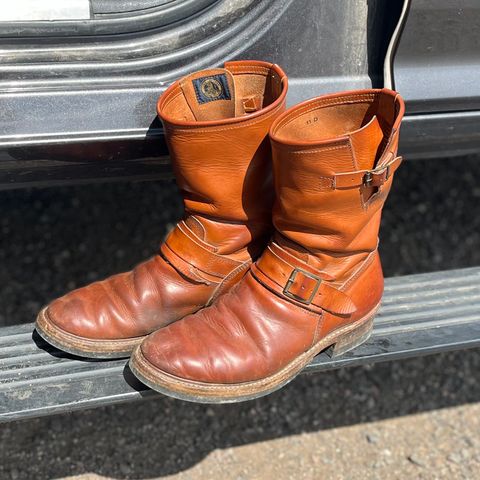
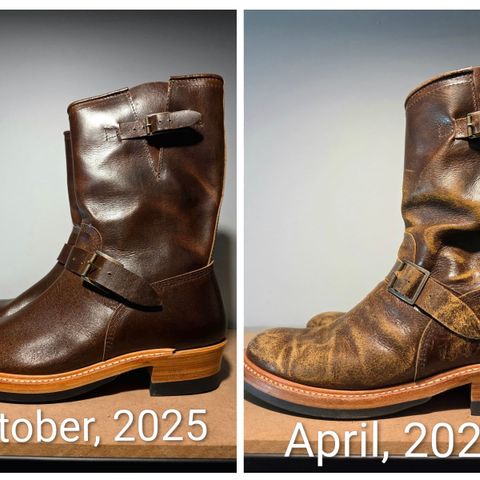
John Lofgren Bootmaker's engineer boots represent a core product category, developed through meticulous study of vintage examples. The company's engineer boots are based on careful examination of several pairs from Lofgren's archive, with particular attention to shaft height, buckle placement, toe shape, and overall proportions.
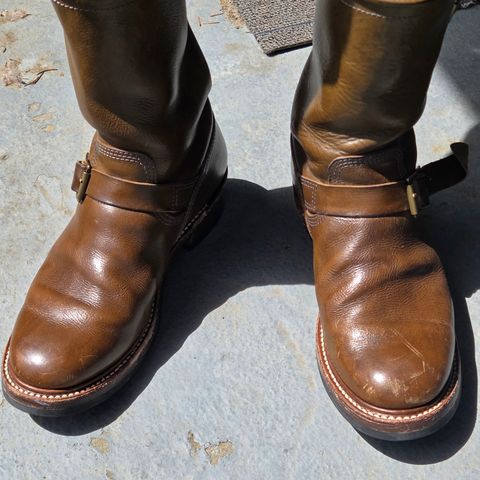
These boots exemplify Japanese attention to detail applied to an iconic American work boot style. Construction incorporates premium leathers including Horween Chromexcel in various colors, with finishes faithful to historical examples while meeting contemporary quality standards. The Wabash Engineer Boots represent a flagship model, offered in Horween Chromexcel leather and demonstrating the brand's commitment to combining historical accuracy with modern craftsmanship.
Engineer boots from John Lofgren feature appropriate hardware, accurate pattern cutting, and construction techniques matching or exceeding original vintage examples. The result represents "Made in Japan" at its finest, combining painstaking attention to detail with master craftsmanship.
Logger boots
The company produces several logger-style boots, with the Donkey Puncher representing the most prominent model. Logger boots originated in the Pacific Northwest logging industry, featuring high shafts, sturdy construction, and aggressive tread patterns suited to working on logs and in challenging outdoor conditions.
The Donkey Puncher is described as a heavily built logger-style boot, incorporating robust construction appropriate to its working heritage while providing exceptional comfort. Reviews note the boot's comfort "right out of the box," suggesting careful attention to fit and break-in characteristics often problematic in heavily constructed work boots.
Additional logger-inspired models include the Steel Gang Storm Welt Boots, named after railroad workers in the logging industry who laid tracks for transporting timber. These boots incorporate storm welt construction, providing enhanced water resistance appropriate to outdoor work in wet conditions.
Other product categories
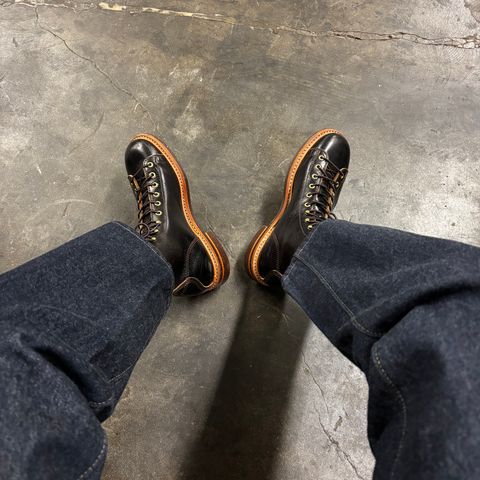
Beyond engineer and logger boots, John Lofgren Bootmaker produces various other vintage-inspired footwear styles. These include service shoes based on military footwear patterns, moc-toe boots reflecting American casual footwear traditions, and various specialized styles drawn from historical examples in Lofgren's archive.
The company also offers Chelsea boots, combat boots, monkey boots, chukka boots, and low-quarter shoes, each representing careful research into historical precedents and constructed to the same exacting standards as the flagship engineer and logger models. This range demonstrates the breadth of vintage footwear that interests Lofgren and provides customers with options suited to various occasions and preferences.
Materials and sourcing
John Lofgren Bootmaker sources materials from established tanneries across multiple countries, emphasizing quality and appropriateness to historical precedents. American leathers include Horween Chromexcel and other products from Horween Leather Company of Chicago, providing materials faithful to those used in vintage American work boots.
European leather sources include tanneries in the United Kingdom, France, Germany, and Italy, offering materials suited to various boot styles and finishes. Japanese materials supplement international sourcing, providing options specific to local manufacturing traditions and preferences.
This global sourcing strategy ensures access to the best materials for each specific application, whether reproducing American work boots requiring Horween Chromexcel or creating styles benefiting from European or Japanese leather characteristics.
Reception and market positioning
John Lofgren Bootmaker has established a reputation among footwear enthusiasts for exceptional quality, historical accuracy, and attention to detail. The brand appeals to customers seeking authentic vintage styling combined with contemporary manufacturing standards and quality control.
Distribution includes direct sales through the company website and select retailers specializing in premium Japanese-made goods and vintage-inspired menswear. Stockists include Lost & Found, Standard & Strange, The ELMC Company, and Brooklyn Clothing, reflecting the brand's positioning within the heritage menswear market.
The company's Japanese manufacturing and premium materials result in pricing reflecting substantial handwork and material costs. This positions John Lofgren Bootmaker in the upper segment of heritage footwear, competing on quality and authenticity rather than price accessibility.
References
"John Lofgren Bootmaker". John Lofgren Bootmaker. Retrieved November 11, 2025.
"John Lofgren Bootmaker". Lost & Found. Retrieved November 11, 2025.
"John Lofgren". Standard & Strange. Retrieved November 11, 2025.